Angitutanga - Strength in Asking for Help
Angitutanga, our value of success, teaches us that to succeed we must learn from our mistakes. Learning from a mistake starts with admitting it, and admitting it often means asking someone else for help. That is not easy. It takes strength to admit a mistake. It takes even greater strength to ask for help in fixing it, and that strength is at the heart of what angitutanga asks of us.
Our students have just sat their practice exams, also known as Derived Grade Exams. These exams matter for more than the grade they produce. They show students what they already know, and just as importantly, where the gaps are. It is in those gaps that the best learning happens, but only if students act on what the exams reveal. Facing that gap honestly, rather than looking away from it, is angitutanga in practice.
There are many ways for a student to ask for help. They can talk to their teacher. Parents can email or call their whanau teacher or dean. Students can attend tutorials, or make use of the resources already available to them around the school. None of these steps require a student to have all the answers. They simply require the willingness to ask, and that willingness is what turns a gap into growth.
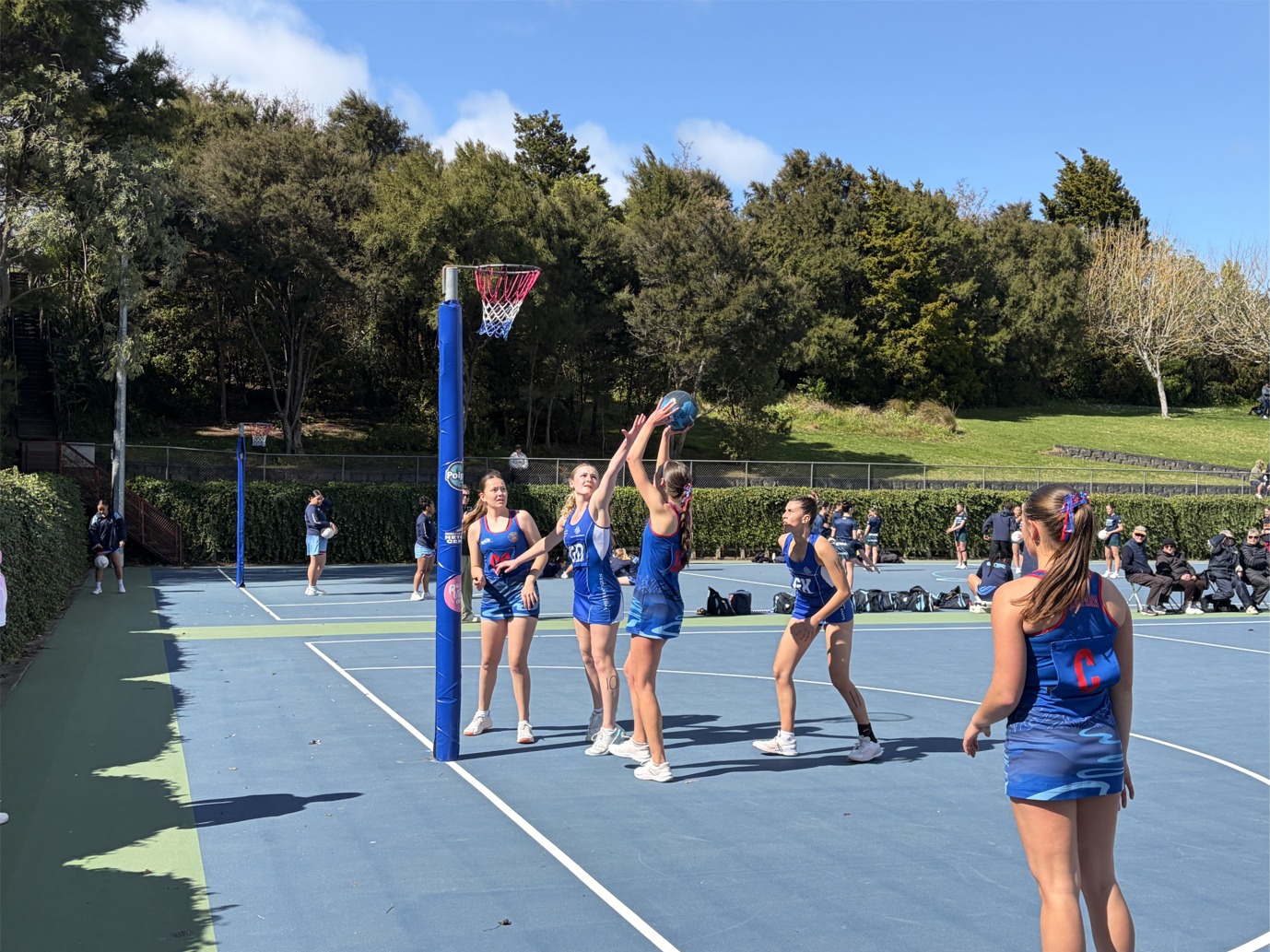
We saw angitutanga in action last week, when our Premier Netball team travelled to the Upper North Island Secondary School Championships. The girls faced rain, wind, illness and injury, and at times took to the court with just one substitute, yet nothing stopped them. They finished a commendable 16th place in A Grade, securing our place in that grade for a second year running. Throughout the week they listened to the advice and guidance of their coaches and managers, backed each other through every setback, and dug deep when it mattered most. We want to acknowledge our Year 13 players, Jayla Singer, Ella Glasson, Stella Fairweather, Chelsea Finlay and Kaylen McNabney, for their outstanding service, leadership and commitment to our netball programme over the past three years, and to thank manager Tracy Bradly, physiotherapist Tania Stokes, and coach Mako Wilson for keeping the team supported, patched up and firing both on and off the court. This team showed us that angitutanga is not about avoiding setbacks. It is about facing them, asking for guidance, and pushing through together.
We are asking the same of ourselves as a school. This is why we have sought help from the Ministry of Education in the form of a Limited Statutory Manager. Bringing that added expertise into our school means our board always has someone to turn to for advice, someone to learn from, and someone who can help us see our gaps and close them quickly. The same goes for me, as principal. Just as we ask it of our students and our netball team. This is angitutanga at the leadership level, the same value we ask our students and our netball team to live by. We have not asked for this help because we doubt our ability to make the changes needed.
We have asked for it because we know that asking is a sign of strength, and because closing gaps fast matters when every one of our students is affected. From the exam room to the netball court to the boardroom, angitutanga looks the same: see the gap, ask for help, and get to work closing it. In doing this, we are role modelling angitutanga for our whole school community.
We are excited about the next stage of this journey, ensuring the waka is pointed in the right direction to find calmer waters, so that all our students can succeed.