
Current indicators are pointing to a strong El Nino climate pattern, bringing hotter, drier and windier conditions to many parts of New Zealand. This could lead to an earlier start to the fire season, a later finish and a longer season overall, making it more important to prepare early and stay vigilant.
Every fire season is different, so the timing, location and severity of elevated fire danger will vary. Waitemata Community Risk Manager, Volunteer Firefighter and Fire Behaviour Analyst Leah Hide says, “Weather is the most powerful factor driving vegetation fire behaviour. Keeping an eye on local climate and fire danger conditions will help people understand when the risk is changing and what steps they need to take.”
Every day activities remain the major source of uncontrolled vegetation fires, with 98% of these fires caused by people. Behaviours such as waste management burning, including burning rubbish, garden waste and vegetation is the leading cause of open-air fire incidents. Common contributing factors include failing to check conditions before lighting a fire, leaving fires to smoulder unattended, and not monitoring burns closely enough.
Fire and Emergency’s statistics show that the North Island accounted for 72% of the country’s 4,877 wildfires in 2024/2025. “This year warmer, drier and windier conditions may develop earlier, last longer, and become more severe than people are accustomed to. Making assumptions that this fire season will be just like any other, and not checking the fire risk on the day, could place people, property and communities at greater risk” Leah says.
“You can use our Prepare for Wildfire tool to create a personalised plan to help prepare your property and help reduce the impact of an uncontrolled vegetation fire on you, your family and your community.”
For more information on how to be safe with outdoor fires and to protect your community from unwanted fire, go to checkitsalright.nz/prepare-for-wildfire.
Steps to take when lighting a fire:
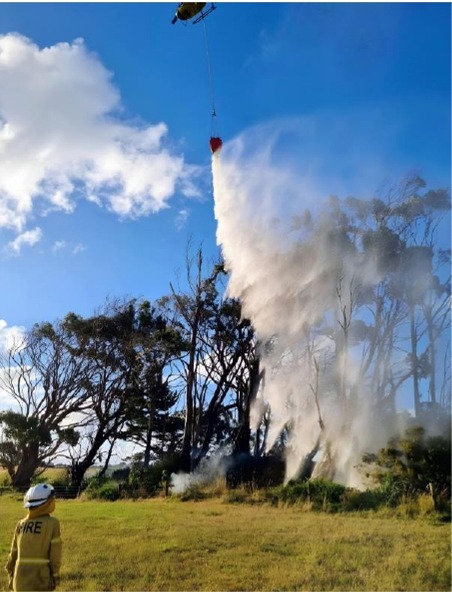
You should always check you are allowed to light an outdoor fire first – and if you are, you should also check the weather. “As we know, weather conditions can vary from one end of Auckland to the other and can change throughout the day. So, you need to be aware not only of the current conditions, but what is forecast throughout the day and in the days to come.” explains Leah.
Fire and Emergency New Zealand have a simple online tool that tells you whether you can light your fire or do your outdoor work safely. The 3-step tool lets you know what the fire risk is, and what you should do to stay safe.
Simply select your activity, type in your address and specify when you will be doing it. You will then receive your personalised results that will advise if you can light the fire, and steps you can take to do so safely. To use the tool, go to: www.checkitsalright.nz/can-i-light-a-fire
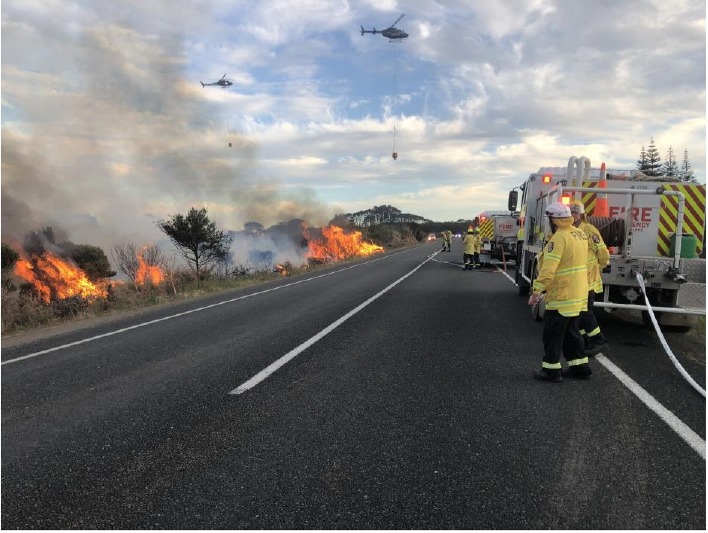
Fire Seasons:
Fire seasons let people know about any requirements or restrictions on lighting open air fires. This is to protect communities from the consequences of unwanted fire.
In New Zealand there are three possible fire seasons; open season, restricted season and prohibited season. Depending on the fire season you may need a permit to light a fire, or a total fire ban may be in place. Always got to go to checkitsalright.nz before you light.
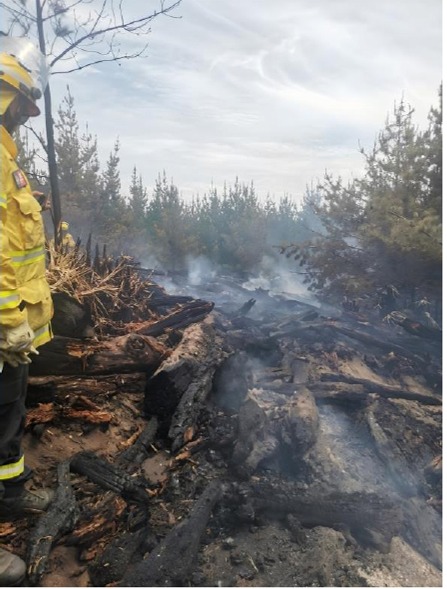
When hot and dry conditions make lighting fires riskier, the season may be restricted or prohibited, but caution is also needed at other times throughout the year. “Many of our large and dangerous fires occur in the shoulder seasons of spring and autumn when people make assumptions about the fire danger conditions, and people can be complacent” Leah says.
On a windy day, it is far easier for a fire to get out of control, so even in colder weather you should check the wind forecast before lighting a fire. “If it is going to be windy, don’t make the mistake of having the “she’ll be right” attitude. You really can help us reduce the impact of wildfire on you, your family and your community by taking some simple precautionary steps.” says Leah
For more information on how to be safe with outdoor fires and to protect your community from unwanted fire, go to checkitsalright.nz.
