
Names hold stories, connecting generations through history, culture and traditions, but tracing women’s names, in particular, can prove to be quite tricky. Throughout much of our history, women have held a secondary status to men - tradition and law limited their access to education, employment and public roles. A woman’s identity became intertwined with the men in her life, she is her father’s daughter, her husband’s wife, (she is Mrs George Rix). Wahine Maori often took or were given anglicised versions of their name, or different names altogether. Over time, identities blurred and connections became harder to follow.
At Te Awaroa Museum we spend a lot of time looking for answers and clues, trying to find family connections for visitors and researchers and connecting the pieces. We can go through school records, photographs, cemetery records and family histories, but sometimes the gems turn up in the social histories. Women were often the glue that held communities together and those groups can be a great source of information - Women’s Division of Federated Farmers, Country Women’s Institute, Guides and Brownies, Maori Women’s Welfare League, to name a few. These places recorded women as themselves, not as someone’s relation – somewhere that a woman’s name was her own.
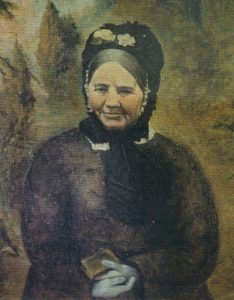
Janet Drinnan
There are, of course, the women who challenged traditions and stood firmly in their own identity through their strength of character; women such as Irapeta Nelson who owned and ran the first Kaipara Hotel; Janet (Grannie) Drinnan who owned the Bridge Hotel in Kaukapakapa; Flora Thirkettle the first sea going woman in the world to be inducted into the Coast Guard; Mary Ellen Keane, owner of Hinemoa Hotel and a life member of the Auckland Referees Association; Ann Leighton, the first woman veterinarian registered in New Zealand. Each of these women left their mark on the Kaipara in their own way.
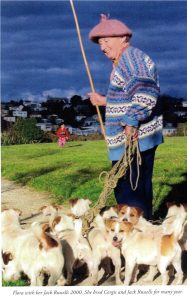 This Mother’s Day we invite you to be a part of preserving the stories of the women in your life. Ask your Mum to take out the old photos, talk about her past and the people in it, record it on your phone, and make sure the names of those in the photo are written on the back!
Make sure that your mother and your grandmother are saved in history and don’t become nameless pictures to be forgotten to history. Once her name is lost, so too is her story.
